- +971557112209
- info@systemcaretravel.com
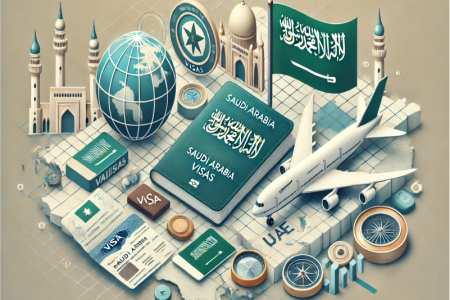
Explore the different types of Saudi Arabia visas available for UAE residents, including Umrah, Hajj, Tourist, and Business visas. Saudi Arabia’s visa policy offers a range of options to cater to your specific travel needs, whether you’re planning a religious pilgrimage, a business trip, or a leisure visit. Learn about the requirements, application process, and key details for each visa type to ensure a smooth journey to the Kingdom of Saudi Arabia.
The Saudi business visa is primarily available to UAE residents who hold high professional designations, such as managers, engineers, doctors, and other executive roles. This visa is designed for professionals engaged in significant business activities. To apply, you typically need a valid UAE residence visa with a high professional category, a passport, an invitation letter from a Saudi company, and other standard visa documentation.
Processing time: 1/2 WORKING DAYS
Validity: 30 DAYS
Fees: AED 580
Processing time: 3 WORKING DAYS
Validity: 90 DAYS
Fees: AED 550
Processing time: 7 WORKING DAYS
Validity: 90 DAYS
Fees: AED 1500
+971 55 711 2209
visa@systemcaretravel.com systemcaretravel@gmail.com
Saudi Arabia, with its rich cultural heritage and rapidly modernizing infrastructure, has become an increasingly popular destination for UAE residents. Whether you’re planning a pilgrimage, a business trip, or a vacation, it’s essential to be well-prepared. This comprehensive guide will walk you through everything you need to know before traveling to Saudi Arabia.
When traveling to Saudi Arabia from the UAE, having the correct visa is crucial. The Kingdom offers several types of visas, each tailored to different purposes:
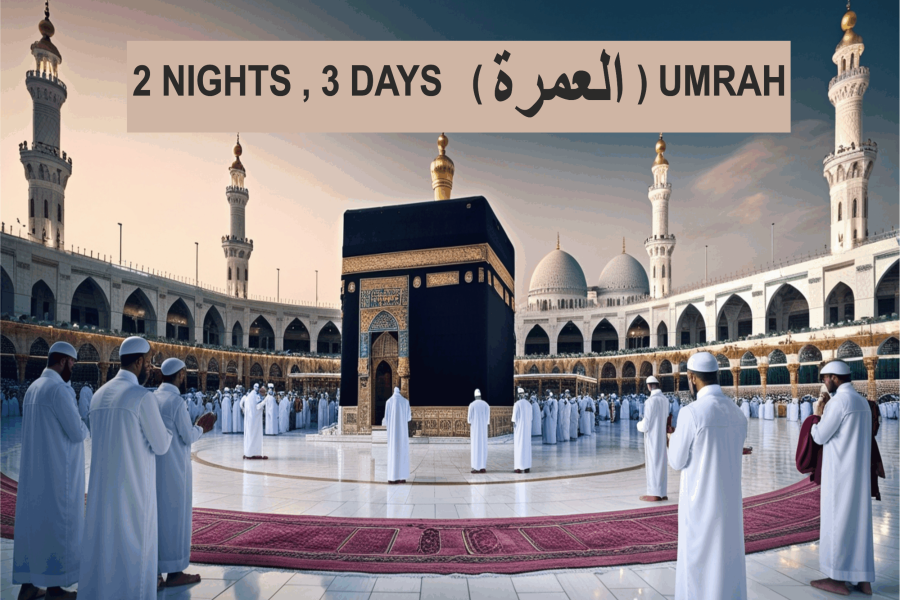
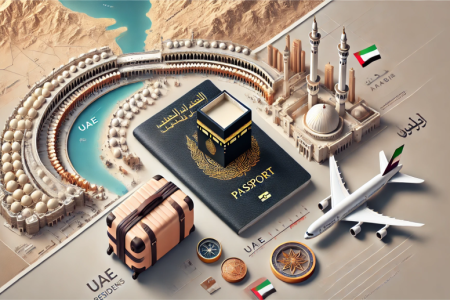
Umrah Visa: This visa is specifically for those performing the Umrah pilgrimage. It is typically valid for 30 days and can be obtained quickly, often within 1 to 2 working days. It’s important to note that this visa is not valid during the Hajj season.
Tourist E-Visa: Ideal for those looking to explore Saudi Arabia’s cultural and natural attractions, the Tourist E-Visa is valid for one year and allows multiple entries. Each stay can last up to 90 days. The application process is straightforward and can be completed online, with a typical processing time of around 3 working days.
Business Visa: For professionals visiting Saudi Arabia for work-related purposes, the Business Visa is the best option. Valid for one year, it also allows multiple entries with stays of up to 90 days per visit. Processing takes a bit longer, around 7 working days, so it’s wise to apply well in advance of your planned travel dates.
In addition to securing the appropriate visa, ensure your passport is valid for at least six months from your date of entry. You may also be required to show proof of accommodation, a return flight ticket, and, depending on your visa type, documentation like a letter of invitation or a vaccination certificate.
Packing for Saudi Arabia involves more than just your typical travel essentials. Here’s a list to help you prepare:
Clothing: Saudi Arabia has a conservative dress code, especially for women. Women are expected to wear an abaya (a long, loose robe) and cover their heads in public. Men should avoid wearing shorts and sleeveless shirts in public areas.
Documents: Along with your passport and visa, carry photocopies of all important documents, including your travel insurance, accommodation details, and emergency contacts.
Vaccinations: Depending on your travel purpose, particularly for Umrah or Hajj, you may need to provide proof of certain vaccinations, such as the meningitis vaccine.
Money: While credit cards are widely accepted, it’s advisable to have some Saudi Riyals (SAR) for small purchases or in areas where electronic payments are less common.
Medications: If you require prescription medications, bring enough to last your entire trip, along with a copy of the prescription. It’s also a good idea to pack a basic first-aid kit.
Electronics: Saudi Arabia uses the Type G electrical plug (like in the UK), so bring an adapter if your devices use a different plug type.
Upon arrival in Saudi Arabia, here’s what you should expect and do:
Immigration Check: Be ready to present your visa, passport, and other relevant documents. The immigration process is usually smooth, but it’s important to have all paperwork in order.
Customs: Saudi Arabia has strict regulations on what can be brought into the country. Items such as alcohol, pork products, and certain types of religious literature are prohibited. Ensure your luggage does not contain any restricted items.
Transportation: Familiarize yourself with local transportation options. Major cities like Riyadh and Jeddah have taxis, ride-hailing services like Uber, and public transport. If you plan to drive, you’ll need an international driving permit, and remember that traffic laws are strictly enforced.
Local Etiquette: Saudi Arabia is deeply rooted in Islamic traditions, and it’s important to respect local customs. For example, public displays of affection are frowned upon, and non-Muslims are not allowed to enter the holy cities of Mecca and Medina. Dress modestly, particularly in rural areas, and avoid taking photographs of government buildings or locals without permission.
Here are some essential tips to keep in mind during your stay:
Language: Arabic is the official language, though English is widely spoken in major cities and among business professionals.
Prayer Times: Saudi Arabia observes five daily prayers, during which many shops and businesses close temporarily. It’s important to plan your activities around these times.
Safety: Saudi Arabia is generally safe for travelers, but it’s advisable to stay updated on local news and follow any travel advisories from your embassy.
Connectivity: SIM cards are readily available at the airport and major shopping centers. Internet access is widespread, and most hotels offer free Wi-Fi.
Saudi Arabia boasts a wealth of attractions that cater to a variety of interests:
Historical Sites: The ancient Nabatean city of Al-Ula, often compared to Petra in Jordan, is a UNESCO World Heritage site and a must-visit. The Kingdom’s capital, Riyadh, is home to the historic Diriyah, the birthplace of the Saudi state.
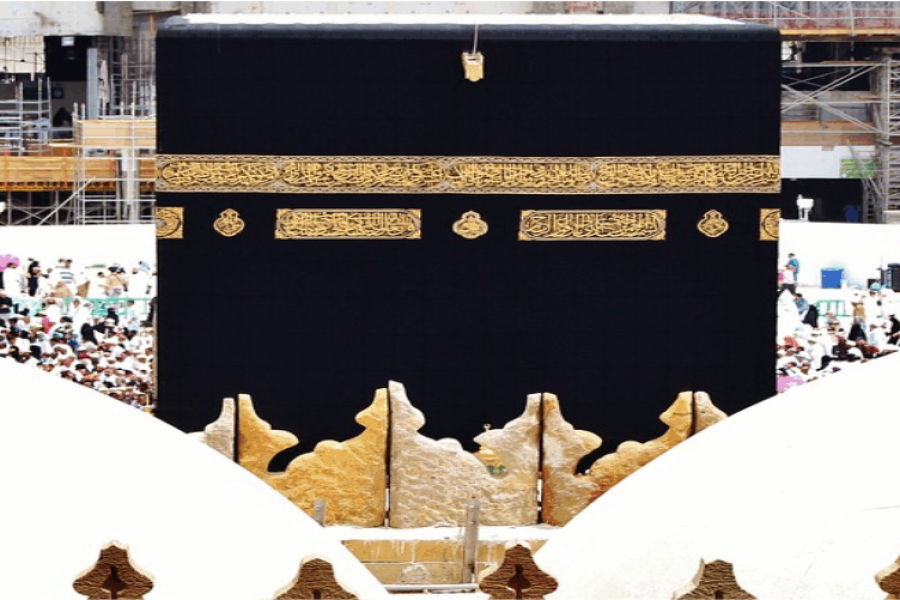
Religious Sites: For Muslims, the holy cities of Mecca and Medina are the pinnacle of any visit. The Grand Mosque in Mecca, home to the Kaaba, is the most sacred site in Islam.
Modern Marvels: Saudi Arabia is rapidly modernizing under its Vision 2030 plan. The King Abdullah Economic City and the Red Sea Project are examples of this transformation, offering luxury resorts and cutting-edge urban developments.
Natural Wonders: The Kingdom’s diverse landscapes include the Empty Quarter (Rub’ al Khali), the world’s largest sand desert, and the Farasan Islands, which are a haven for divers and nature enthusiasts.
Saudi Arabia is a fascinating country with a rich history and unique cultural landscape:
Largest Oil Producer: Saudi Arabia is one of the world’s leading oil producers, playing a crucial role in the global economy.
Vision 2030: The Kingdom is undergoing significant economic and social reforms aimed at reducing its dependency on oil and diversifying its economy. This includes promoting tourism and entertainment as key sectors.
Cultural Heritage: Saudi Arabia is the birthplace of Islam, and its cultural heritage is deeply intertwined with the religion. The Kingdom hosts millions of Muslims each year for the Hajj pilgrimage, one of the largest annual gatherings in the world.
In summary, a trip to Saudi Arabia from the UAE can be a rewarding experience, whether you’re visiting for spiritual, business, or leisure purposes. By following this guide and preparing adequately, you can ensure that your journey is both safe and enjoyable. Safe travels!
WhatsApp us